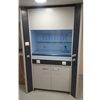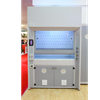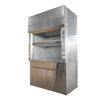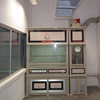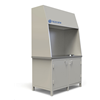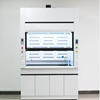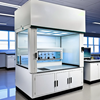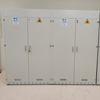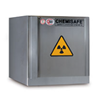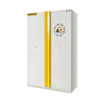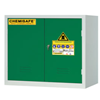
Class II A2 biosafety cabinet is a safety equipment designed for the safe working of microorganisms in laboratory environments and used for protection against biological hazards. These cabinets are generally used in biological research, examination of
microorganisms, cell cultures, genetic engineering studies and similar applications.
https://www.tezgen.com/laminar-flow-microbiological-safety-cabinet
The features of Class II A2 biosafety cabinets are as follows:
1. Airflow: Airflow is taken in by a filtration system located at the front of the cabinet, this air is then filtered by a high-efficiency particulate air filter (HEPA filter) to provide clean air in the interior. At the same time, the air coming out is also filtered by a HEPA filter. This ensures that the employee, the environment and the products are protected against biological contamination.
2. Protection Level: Class II A2 cabinets protect both the employee and the laboratory environment. While protecting the health of the employee, they also prevent the spread of the biological material being worked on to the external environment.
3. Dual Airflow: Air entering the chamber has two different flow directions: one direction cleans the workplace, the other sends air out. This feature prevents the spread of potentially hazardous material to the laboratory's external environment.
4. Chemical Safety: Can also be used for chemical processes, but is generally only suitable for environments where low-volatile toxic chemicals are used.
5. Standard Testing and Approvals: Class II A2 chambers are manufactured to worldwide biosafety standards (e.g., OSHA and NSF standards).
https://www.tezgen.com/laminar-flow-microbiological-safety-cabinet
Class II A2 Biosafety Cabinet is used in laboratory environments that require high biosafety. This cabinet provides a safe working environment by protecting both the user and the environment against biological and chemical hazards. Below you can find the common areas of use of Class II A2 biosafety cabinet:
1. Microbiology and Biological Research
• Bacteria and Virus Studies: Researchers working in areas such as infectious diseases, bacteriology, and virology use these cabinets to work safely with pathogenic microorganisms.
• Investigation of Microorganisms: Provides a safe environment in projects such as genetic engineering studies or research on the evolutionary processes of microorganisms.
2. Cell Cultures and Genetic Engineering
• Cell Culture Studies: Used for the growth and genetic manipulation of cells in cancer research, biotechnology and bioengineering projects.
• DNA/RNA Studies: Provides a safe environment for processes such as DNA/RNA analyses and PCR (Polymerase Chain Reaction) in genetic engineering studies.
3. Biotechnology and Pharmaceutical Production
• Vaccine Production: Used in sensitive biotechnological production processes such as the development and production of vaccines. Provides a suitable area for the growth and testing of microorganisms.
• Development of Biological Products: Can be used in the production and testing of biological drugs, biosensors, enzymes and similar biotechnological products.
4. Clinical Laboratories
• Pathological Examinations: Provides a safe environment for the examination of biological samples (blood, urine, tissue samples, etc.) used in clinical laboratories to diagnose and treat diseases.
• Viral Tests: Suitable for environments where viruses such as HIV, Hepatitis, SARS-CoV-2 need to be tested and studied.
5. Forensic and Criminal Laboratories
• DNA Analysis: Used in criminal investigations and for the examination and analysis of DNA samples in forensic laboratories.
• Biological Samples: Used for the study of biological samples such as blood, saliva, urine and for the safe processing of materials used in criminal investigations.
6. Environmental Biotechnology and Ecology
• Environmental Impacts and Biological Cleaning: In the field of environmental biotechnology, it is used to work with biological materials in cleaning projects where microorganisms are used (e.g. bioremediation).
7. Education and Training
• Laboratory Training: It can be used for educational purposes in universities and research institutes in courses such as biotechnology, microbiology, genetic engineering so that students can work safely with biological materials.
8. Zoonotic Diseases and Infection Control
• Diseases Transmitted from Animals: It provides the necessary safety for the research, control and diagnosis of zoonotic diseases (diseases transmitted from animals to humans).
9. Food and Water Safety Tests
• Microbiological Tests: These cabins can be used for the control of microorganisms, detection and control of pathogens in food production and water cleaning areas.